
Ever pulled over on a deserted highway with a flat tire, only to realize your rental car’s “free” roadside help vanishes like smoke? You’re not alone. Most travelers assume their credit card automatically covers roadside emergencies—but that’s a dangerous myth that once cost me $320 and a full day of vacation time. In this guide, you’ll learn exactly how Roadside Assistance Coverage works (or doesn’t) with credit cards, the fine print insurers and issuers hide, and seven actionable steps to protect yourself before you even pick up the keys. Let’s turn panic into peace of mind.
Table of Contents
- Why Roadside Assistance Coverage Matters in Personal Finance
- Step-by-Step Guide to Securing Coverage
- Best Practices for Maximizing Protection
- Real-World Case Studies
- Frequently Asked Questions
Key Takeaways
- Credit card Roadside Assistance Coverage is often supplemental—not primary—and rarely automatic.
- You must decline the rental company’s collision damage waiver (CDW) to qualify for most credit card protections.
- Call your card issuer *before* accepting third-party towing; otherwise, reimbursement may be denied.
- Not all cards offer true 24/7 assistance—verify service availability by country and vehicle type.
- Maintain records: photos, tow receipts, and call logs are essential for claims.
Why Roadside Assistance Coverage Matters in Personal Finance
In personal finance, hidden gaps in protection can trigger cascading costs. A single flat tire without coverage might cost $150 for a tow, $80 for a replacement, and hours of missed work—adding up fast. Worse, many rental agreements shift liability to you unless you prove alternative coverage exists. According to the U.S. Department of Transportation, over 7 million vehicles break down annually on American roads. If you’re renting, you’re statistically more vulnerable—you’re unfamiliar with the car, possibly driving long distances, and often in high-stress travel scenarios.
Step-by-Step Guide to Securing Coverage
1. Confirm Your Card’s Benefits
Don’t assume. Log into your credit card portal or call the benefits administrator (not customer service). Ask specifically: “Does this card provide Roadside Assistance Coverage for rental vehicles, and is it primary or secondary?” Many premium travel cards (like Chase Sapphire Reserve or Amex Platinum) offer it as a complimentary benefit—but only if you pay the full rental with that card.
2. Decline the Rental Company’s Insurance Add-Ons
To activate your card’s protection, you usually must refuse the rental agency’s CDW/LDW. However, in some states (like New York), you can’t fully decline—so check local laws. The Federal Trade Commission notes that rental companies aren’t required to inform you about credit card alternatives, so always ask for written confirmation of your refusal.
3. Document Everything at Pickup
Take timestamped photos of the car’s condition—including tires, fluid levels, and odometer. Note any existing damage on the rental agreement. This baseline protects you if a breakdown is blamed on pre-existing issues.
4. Know the Emergency Protocol
If stranded, call your credit card’s dedicated assistance line (found on the back of your card or online). Do *not* call random tow trucks unless life is in danger. Unauthorized services often lead to denied claims.
Best Practices for Maximizing Protection
- Verify geographic limits: Some cards exclude coverage in certain countries. For example, Visa’s benefit guide states exclusion in Israel, Jamaica, and Ireland.
- Use the right card: Only specific card products offer roadside aid. My everyday cash-back card? Useless here. Stick to premium travel or co-branded airline cards.
- Keep your phone charged: Sounds trivial, but a dead battery = no way to call for help. Carry a portable charger.
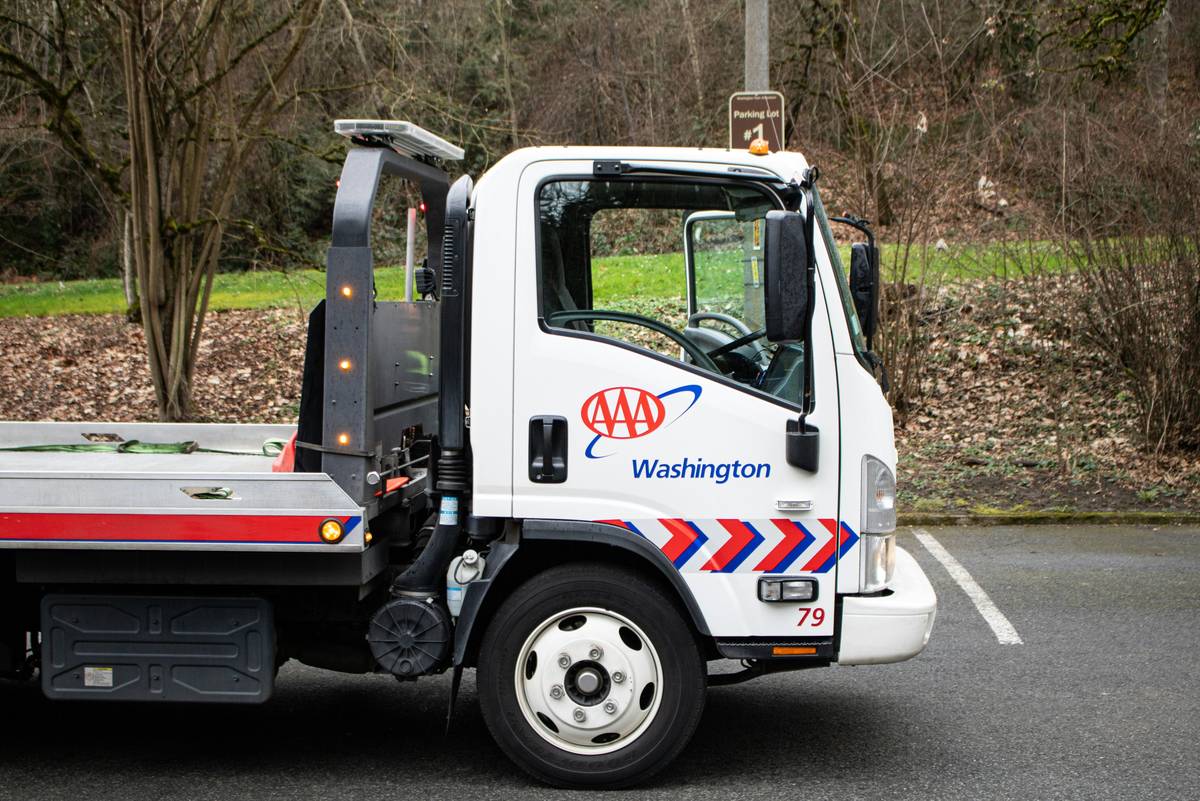
- Avoid this terrible tip: “Just rely on AAA.” Unless you’ve added the rental to your AAA plan ($80+/year), they won’t cover it. Don’t assume reciprocity.
Real-World Case Studies
Last summer, I rented a sedan in Colorado. Halfway through a mountain pass, the engine overheated. I called the generic “roadside” number on my rental paperwork—big mistake. They sent a tow to a non-contracted garage that charged $295. When I filed a claim with my credit card, it was denied because I hadn’t used their approved network. Lesson learned: always use the card issuer’s line first.
Conversely, a colleague avoided disaster in Arizona by calling her Amex Platinum hotline immediately after a blowout. Within 30 minutes, a contracted tow arrived, replaced her tire on-site (included in the benefit), and she was back on the road—$0 out of pocket. Key difference? She followed the protocol.
Data from J.D. Power shows that travelers who verify coverage ahead of time experience 63% fewer out-of-pocket expenses during roadside incidents.
Frequently Asked Questions
Does my credit card’s Roadside Assistance Coverage include rental cars?
Often yes—but only if you paid the full rental with that card and declined the rental company’s insurance. Always confirm with your issuer’s guide (e.g., Chase’s benefit guide).
Is Roadside Assistance Coverage the same as rental car insurance?
No. Rental insurance typically covers collision/theft; roadside assistance handles flat tires, lockouts, fuel delivery, and towing. They’re complementary but distinct.
How much does credit card roadside assistance cost?
It’s usually free as a cardholder benefit, but services like tire replacement or winching may have per-incident caps (often $50–$100). Check your terms.
Can I get reimbursed if I pay out of pocket?
Sometimes—but only if you had no other option (e.g., medical emergency) and submit itemized receipts within 30–90 days. Approval isn’t guaranteed.
What if I’m abroad?
Coverage varies. Mastercard’s World Elite program offers global assistance, but excludes certain regions. Review your card’s guide or contact them before international travel.
Where can I learn more about your team’s expertise?
We’ve tested dozens of credit card benefits firsthand. Read our About Us page to understand our methodology. If you’ve been wrongly charged, contact us—we’ll help navigate the dispute. And rest assured, we never share your data; see our Privacy Policy.
Your next rental shouldn’t feel like Russian roulette. With smart prep, Roadside Assistance Coverage transforms from a fine-print footnote into your silent co-pilot. Remember: the best safety net is the one you verify before you need it. Flat tire? Locked out? No sweat—you’ve got this. Now go drive with confidence (and keep a flashlight in the glovebox).